

Premature Babies Evacuated After Israeli Attack on Al-Shifa Returned to Gaza After More Than Two Years“I am meeting my daughter for the first time. It’s as if today is the day of her birth. I can’t describe my feelings.”
Drop Site is a reader-funded, independent news outlet. Without your support, we can’t operate. Please consider becoming a paid subscriber or making a 501(c)(3) tax-deductible donation today.
KHAN YOUNIS, GAZA—Ahmed Al-Harsh waited outside Nasser Hospital in Khan Younis on Monday to meet his son, a toddler and the only other survivor of his entire family. “I’m waiting for my son Mahmoud. I haven’t seen him in two and a half years except once, before he was transferred to Egypt. I’ve been waiting for two and a half years,” Al-Harsh, 31, told Drop Site News. Mahmoud is one of 28 Palestinian infants who were evacuated to Egypt as premature babies in November 2023 from the neonatal intensive care unit in Al-Shifa Hospital in Gaza City, as the Israeli military laid siege to the medical complex and raided it. Mahmoud and seven other children were returned to Gaza on Monday to be reunited with their families, or what was left of them. On October 14, 2023, one week into Israel’s genocidal assault on Gaza, the Israeli military bombed the Al-Harsh’s family home in the Jabaliya refugee camp. Al-Harsh’s entire family was killed in the attack—his four-year-old daughter, his father, mother, brother, sisters-in-law, nephews, and nieces. Al-Harsh initially thought his wife, who was eight months pregnant at the time, had also been killed. He only later learned that she had been gravely injured and had given birth to their son, Mahmoud, in hospital before succumbing to her injuries. 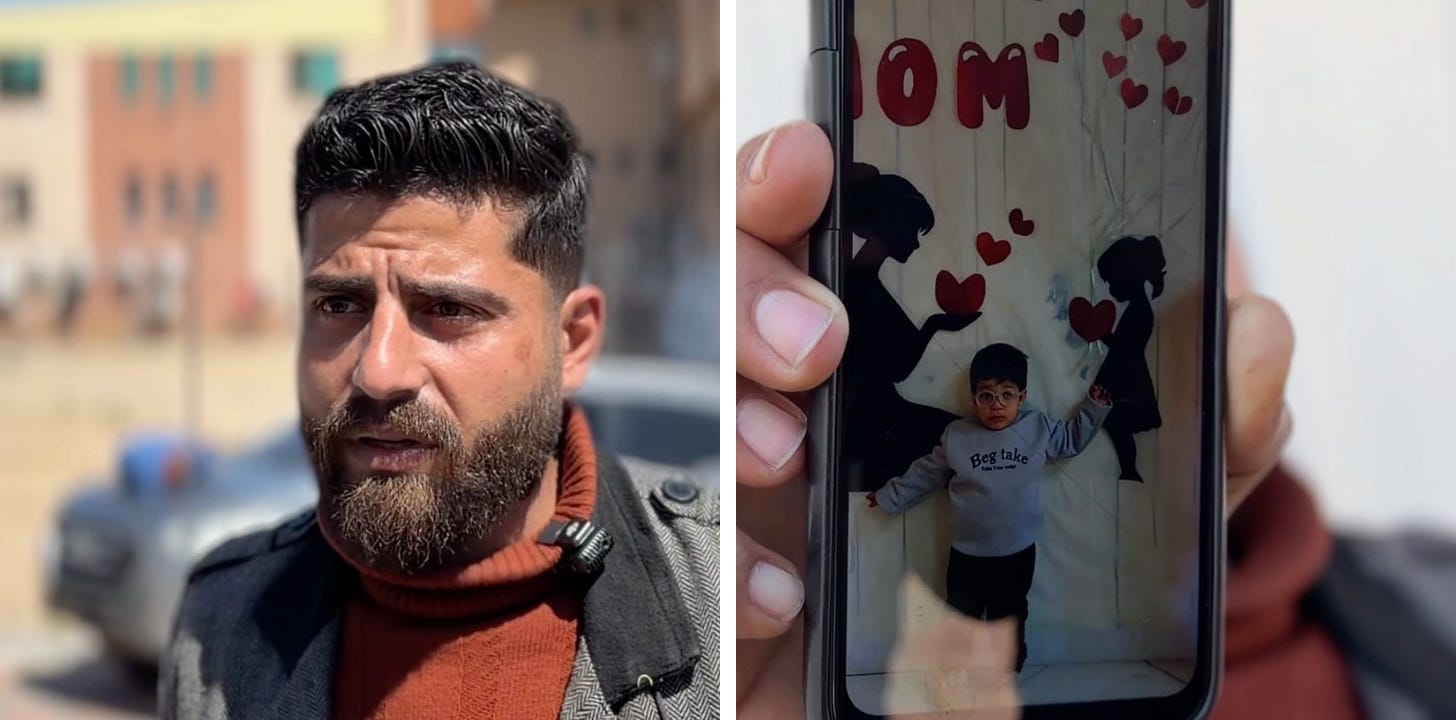 (Left) Ahmed Al-Harsh outside Nasser Hospital in Khan Younis as he waits for his son, Mahmoud, to arrive after 2.5 years in Egypt. (Right) Ahmed Al-Harsh holds up a photo of his son Mahmoud on his phone. March 30, 2026. Screenshots of video provided by Abdel Qader Sabbah. Al-Harsh was able to see Mahmoud only once before he was taken to the neonatal intensive care unit in Al-Shifa’s hospital for care. He had been staying in Beit Lahia, unable to move amid the escalating Israeli assault. In November, Israel laid siege to Al-Shifa hospital, surrounding the medical complex and cutting it off from the rest of Gaza City before raiding it on November 15. Doctors inside scrambled to keep their patients alive, including the nearly 40 premature babies in the hospital’s neonatal intensive care unit, Mahmoud among them. There was no electricity and incubators were failing. The World Health Organization, which was able to coordinate a one-hour visit to Al-Shifa at the time, described the hospital as a “death zone.” After much negotiation, 31 premature babies were evacuated from Al-Shifa on November 19 and taken to Rafah. UNICEF said the conditions of the babies had been “rapidly deteriorating” inside the besieged hospital. Five died before they could be evacuated. The next day, 28 of the babies were transported across the border to Egypt for treatment. None were accompanied by family members. For the past two and a half years, Al-Harsh has seen his son only in photos or videos sent to him from Egypt—first as an infant, then a toddler. “The feeling is indescribable. What can I tell you about this feeling?” he said. “These two years felt like forty, even more—a lifetime. During this time, I was a body without a soul. I couldn’t work or do anything.” 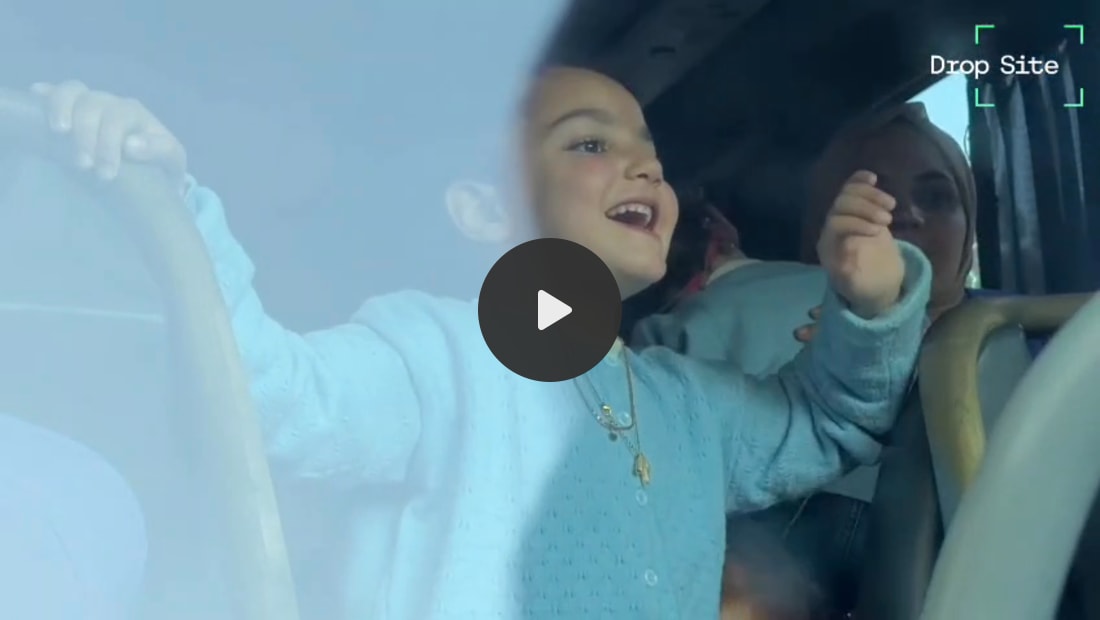 Video of the convoy arriving at Nasser Hospital in Khan Younis bringing eight children who were evacuated from Gaza to Egypt in November 2023. March 30, 2026. Video provided by Abdel Qader Sabbah.By early afternoon on Monday, the convoy from Egypt finally arrived. A Red Crescent ambulance and UN vehicles escorted a large bus carrying the children. Families crowded around the doors as they pulled up outside Nasser Hospital. The children were passed into the waiting arms of family members, most of them meeting for the first time, in scenes of joy. Al-Harsh appeared overwhelmed with emotion as he held Mahmoud, chubby, bespectacled and crying, in his arms. When Mahmoud grabbed a bottle of water and drank thirstily, Al-Harsh broke down and wept. “Every human being needs the love of a mother and father. I am 31, I lost my mother and father, and I’m still suffering,” Al-Harsh said. “This boy—where do I find him a mother? Where do I find him his mother? When he grows up and asks about his mother, what do I tell him?” At least four of the babies who were evacuated to Egypt died while there, Dr. Ahmed Al-Farra, the director of the pediatric department at Nasser Hospital, told Drop Site. He added that the children who returned to Gaza, while healthy, would require additional medical and psychiatric evaluation. Gaza’s health care system has been systematically destroyed by the Israeli military since October 2023. Every single hospital was attacked and 25 were completely shut down while 13 remain partially functioning, according to Gaza’s Health Ministry. Despite a “ceasefire” that went into effect in October, Israel has continued near daily attacks in Gaza, killing over 700 Palestinians since then. Israel has also continued to severely restrict the amount of humanitarian aid, fuel, medicine and other essentials, allowing in an average of only 200 trucks daily instead of the 600 agreed upon in the deal. At the onset of the U.S.-Israeli war against Iran on February 28, Israel reinforced a total siege on Gaza, citing “security concerns.” The Kerem Shalom crossing was partially reopened three days later. The Rafah Crossing between Gaza and Egypt—which had only opened in early February for medical evacuations and for Palestinians returning to Gaza—was also closed at the onset of the Iran war and only reopened on March 18. Roughly 20,000 people are on waiting lists for medical evacuation abroad, 4,000 of them children, according to the Health Ministry. The Gaza Health Ministry this week warned of a severe shortage of generator fuel that threatened hospital operations. The Ministry said that remaining generators are “worn out and prone to repeated breakdowns,” placing critical departments such as intensive care, surgery, neonatal units, and dialysis at risk of shutting down. Israeli forces have allowed the entry of only 1,240 fuel trucks out of the 8,350 that were supposed to enter over the 167 days since the ceasefire agreement took effect—a compliance rate of just 14.8%—according to the latest statistics from officials in Gaza shared with mediators and obtained by Drop Site. The Health Ministry warned that 90 generators are already out of service, while 11 are running on limited supplies. All hospitals in Gaza remain fully dependent on emergency back-up generators, according to OCHA. Regardless of the continued Israeli siege and daily military assaults, the families who were finally reunited with their children in Gaza on Monday after nearly two and a half years of separation, described the moment as nothing short of miraculous. Sundus Al-Kurd was among them. She was badly wounded in an Israeli airstrike on her family home in Beit Lahia on October 22, 2023. Her daughter Habibat Al-Rahman was killed in the attack. Eight months pregnant, Al-Kurd was rushed to hospital where doctors operated on her to save her life and conducted an emergency delivery to save her unborn daughter, Bissan. “On the day I gave birth to my daughter, I lost her only sister,” Al Kurd said. “When I woke up, I asked, ‘Where is my daughter?’ They told me, ‘Your daughter is fine and doing well,’” she added. “They told me she was in an incubator and that due to my health condition I wouldn’t be able to care for her.” Al-Kurd continued to recover from her injuries and was unable to see her daughter before the Israeli military attacked Al-Shifa in November 2023. “I was evacuated from the hospital with difficulty and I asked to take my daughter with me, but they said I wouldn’t be able to care for her due to my medical condition,” she said. Having lost her other daughter, parents, and two siblings during the war, Al-Kurd said she could not bear the thought of losing Bissan, whom she described as “a gift and compensation from God.” Al-Kurd did not know what had happened to her daughter until much later when she found out she had been among the 28 premature babies evacuated to Egypt.
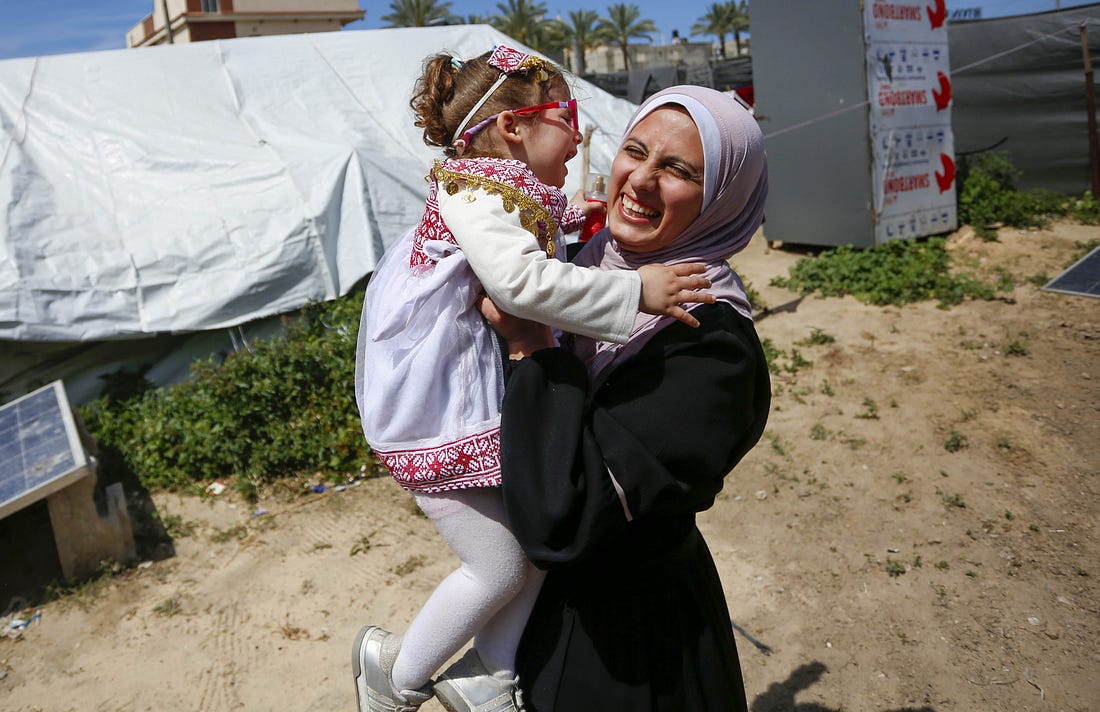
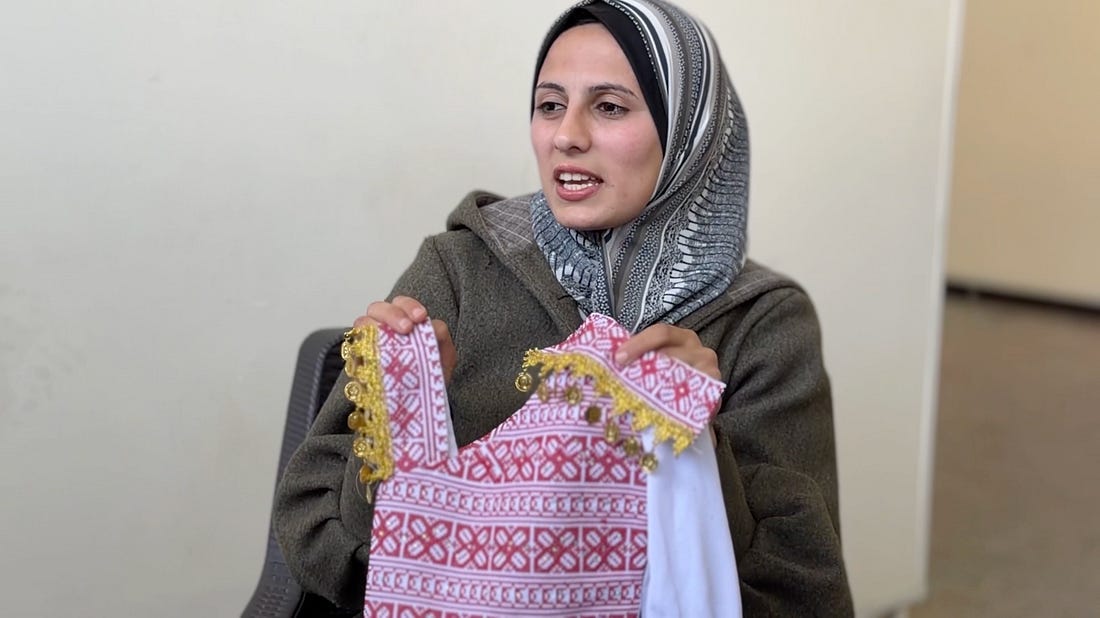
“Today, after two and a half years, God willing, we will be reunited with our daughter,” Al-Kurd said. She brought a traditional Palestinian dress for Bissan to wear. When her daughter finally arrived in the convoy to Nasser hospital, Al-Kurd held her tightly before dressing her in the white and red dress as relatives took turns embracing her. “I am meeting my daughter for the first time,” she said. “It’s as if today is the day of her birth. I can’t describe my feelings.” Kamal El Bardai edited the video for this report.
Become a Drop Site News Paid SubscriberA paid subscription gets you:✔️ 15% off Drop Site store ✔️ Access to our Discord, subscriber-only AMAs, chats, and invites to events, both virtual and IRL ✔️ Post comments and join the community ✔️ The knowledge you are supporting independent media making the lives of the powerful miserable You can also now find us on podcast platforms and on Facebook, Twitter, Bluesky, Telegram, and YouTube.
|






No comments:
Post a Comment
Note: Only a member of this blog may post a comment.