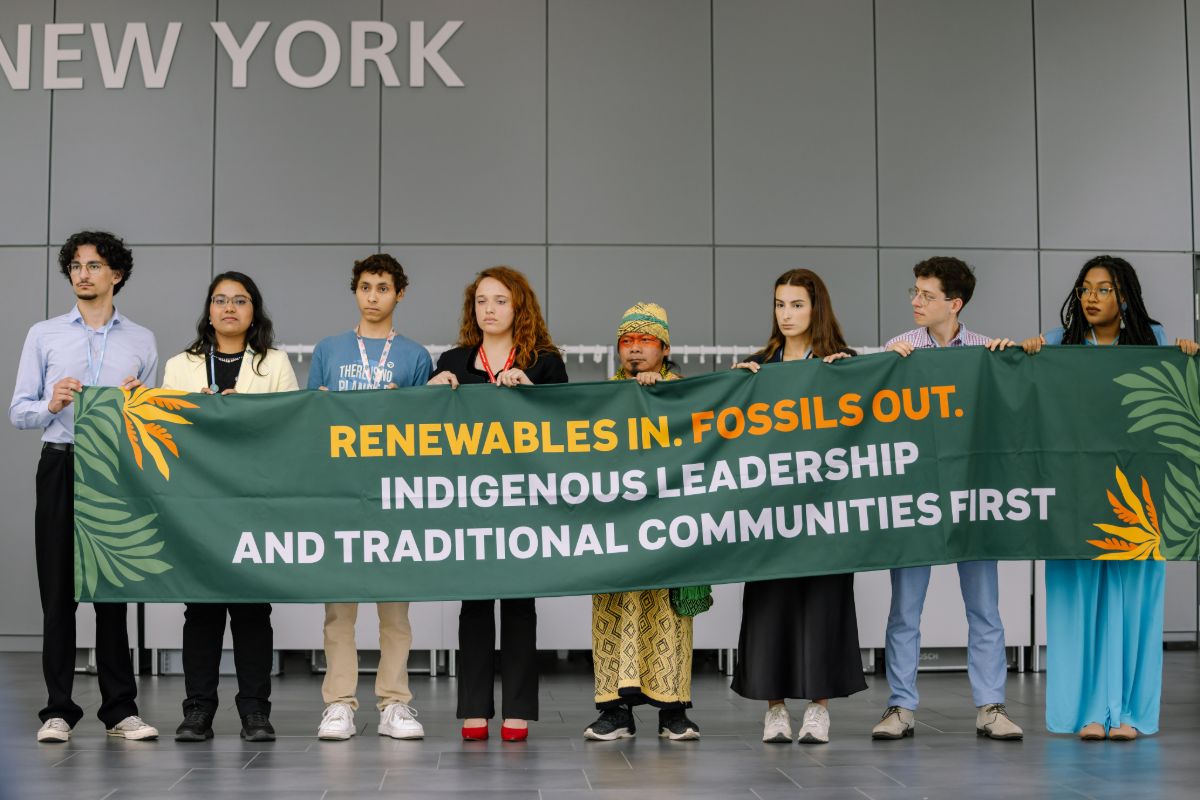
 One from the archives: Indigenous leaders, activists and environmental defenders demand that world leaders end fossil fuels for good at a UN Climate Conference in Bonn, Germany in March 2025. Photo: © Marie Jacquemin / Greenpeace One from the archives: Indigenous leaders, activists and environmental defenders demand that world leaders end fossil fuels for good at a UN Climate Conference in Bonn, Germany in March 2025. Photo: © Marie Jacquemin / Greenpeace
Hi Pamela, We're barely two months into 2026, and the fossil fuel crowd has been loud. In January, the Trump administration launched military strikes against Venezuela, captured its President, and seized control of the country's vast oil reserves. And it's systematically dismantling every climate commitment the U.S. has made – from gutting the scientific basis for regulating greenhouse gas pollution earlier this month to withdrawing from the Paris Climate Agreement (again). At the same time, the effects of fossil fuels are fast catching up with all of us. 2025 was the third consecutive hottest year on record, a first in human history. January 2026 alone saw unusually extreme weather: heatwaves scorched Australia, floods devastated Southern Africa and Indonesia, winter storms paralyzed Europe and North America, and record snowfall buried Japan. But here's what the drill-baby-drill crowd doesn't want you to see: the world is turning a corner, and leaving behind fossil fuels. Africa just recorded its fastest solar growth ever. China's clean energy now drives a third of its entire economic growth. Europe is planning massive wind energy expansion. Colombia and the Netherlands are leading global efforts in ending fossil fuels for good. And that's because being fossil free is the smart choice and people everywhere are demanding better. So this is it. 2026 is the year we stop managing crisis after crisis and start ending their cause. No more drilling. No more delays. No more excuses. Fossil fuels need an expiration date, and we're here to set one. At 350.org, this is our singular mission this year. The fossil fuel mercenaries may be loud. But we are louder – and we are not going anywhere. Thank you for being a supporter of our mission! In solidarity, Team 350.org
Movement Updates Discover our latest actions demanding climate solutions & energy justice | 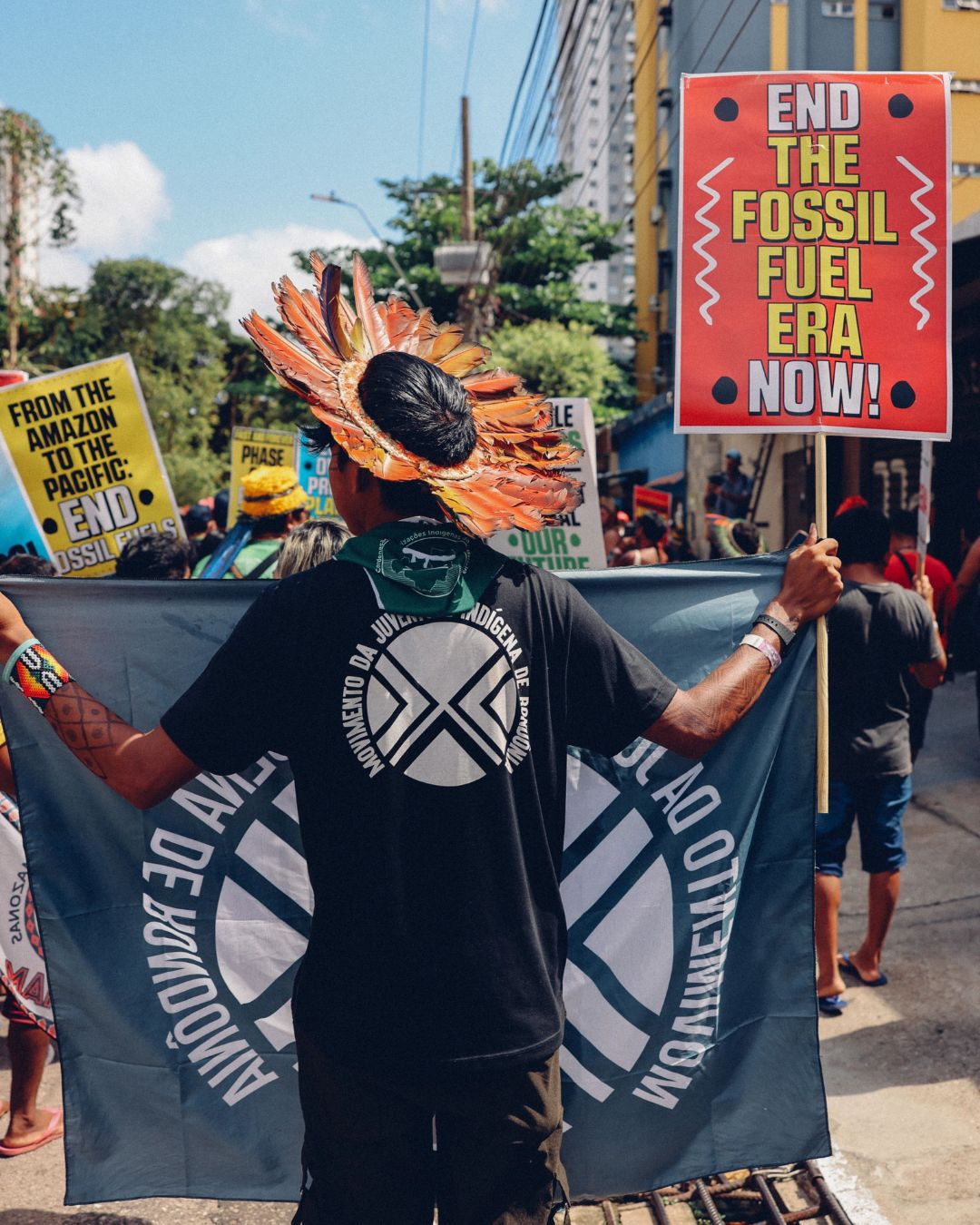 Indigenous Peoples, local leaders and more demand leaders to end fossil fuels during the COP30 Summit in Belém, Brazil in November 2025.Photo: Hugo Duchesne Indigenous Peoples, local leaders and more demand leaders to end fossil fuels during the COP30 Summit in Belém, Brazil in November 2025.Photo: Hugo Duchesne
| | Ensuring Brazil takes real, inclusive action to end fossil fuels Last year we helped win support from many countries to phase out fossil fuels at UN climate talks (COP30) in Brazil. The good news is that Brazil is already working on a national roadmap to end fossil fuels for good! Now we're pushing to make sure this roadmap is real, fair, and people-centered. So we brought together 114 civil society organizations to send an open letter to COP30 President André Corrêa do Lago, calling for a roadmap that is transparent, protected from fossil fuel influence, and co-created with Indigenous Peoples, frontline communities, and workers. Skip to the climate jargon section to learn more about fossil fuel roadmaps! |
| Building local power to tax the ultra-rich in France After national lawmakers blocked a 2% wealth tax on the super-rich last year, we moved to towns and cities, where political pressure grows fastest. With municipal elections near, we're organizing mayors and candidates to back taxing the ultra-wealthy to fund climate action and essential services. 50 mayors are already on board! We also launched the "A Budget for My Town - #ShareYourLoaf" campaign with webinars and a fun baguette action in Paris asking people how they want their town's budget to be spent. In Marseille, we helped communities challenge candidates on housing, transport, food, and climate through a public debate. | | 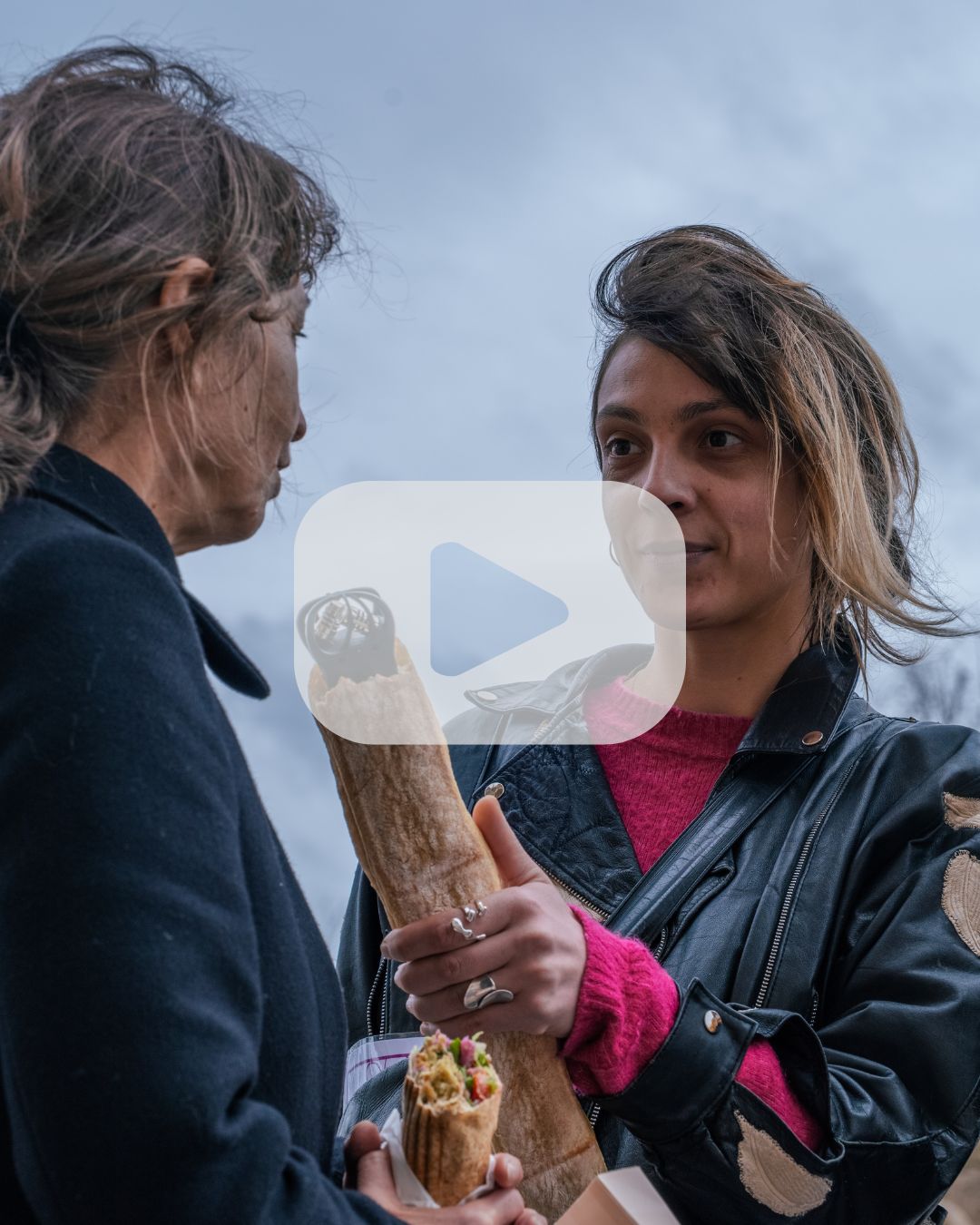 People in the streets of Paris, France, share how they want their town mayors to share the loaf, or budget. Photo: @lucile_mm1/g People in the streets of Paris, France, share how they want their town mayors to share the loaf, or budget. Photo: @lucile_mm1/g
|
| 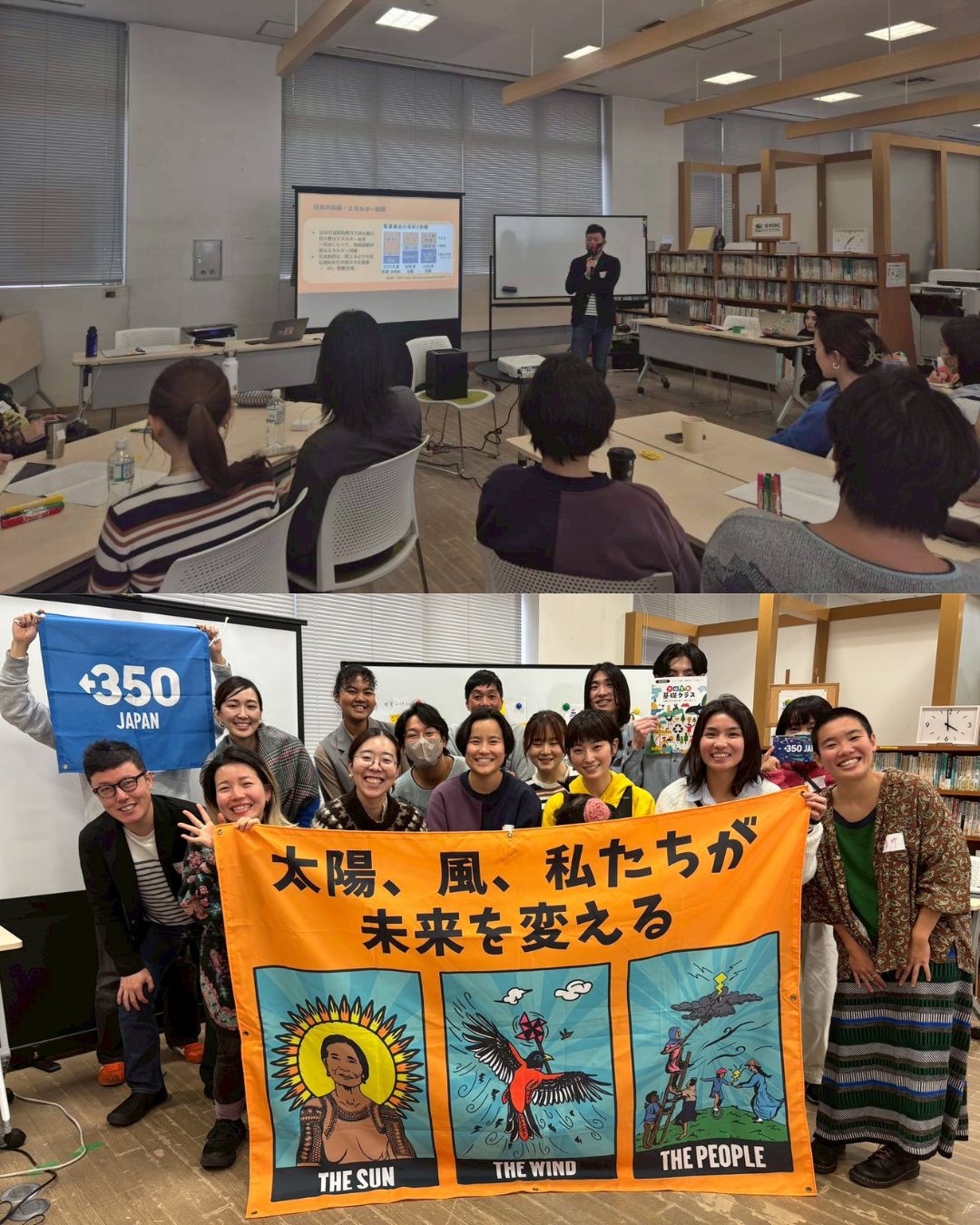 350 brought together activists in a democracy-building workshop in Tokyo, Japan in February 2026. Photo: 350 Japan 350 brought together activists in a democracy-building workshop in Tokyo, Japan in February 2026. Photo: 350 Japan
| | Building people power across elections, media, and courts in Japan During the national elections this month, we hosted an emergency online briefing with 35 participants to connect elections to climate, sharing practical ways to influence candidates and policy. After the vote, we met in Tokyo for a democracy workshop, building skills in lobbying, storytelling, and media engagement. We're also pressuring the media to cover climate change as a core election issue – our petition calling on outlets to stop ignoring climate during elections has passed 1,333 signatures and is now being used to push editors directly. We're also supporting a climate justice lawsuit demanding stronger government action before 2030 to protect lives and livelihoods, with 450+ plaintiffs already involved. |
| Supporting communities in securing their energy future in Africa Across Uganda and Tanzania, we launched a manifesto created by 4,000+ people in 10 districts being impacted by the EACOP pipeline, laying out clear demands for justice, repair, and energy democracy to political candidates. In parallel, we're backing real, people-centered clean energy solutions. In Jonahkrom, a small farming community in Ghana, locals have long faced limited access to reliable electricity. So 350 Ghana mobilized funds and resources to build a Solar Kiosk and install solar streetlights. The community-led solar hub now provides lighting, phone charging, and study space, helping students learn at night, traders extend business hours, and improving community safety. | | 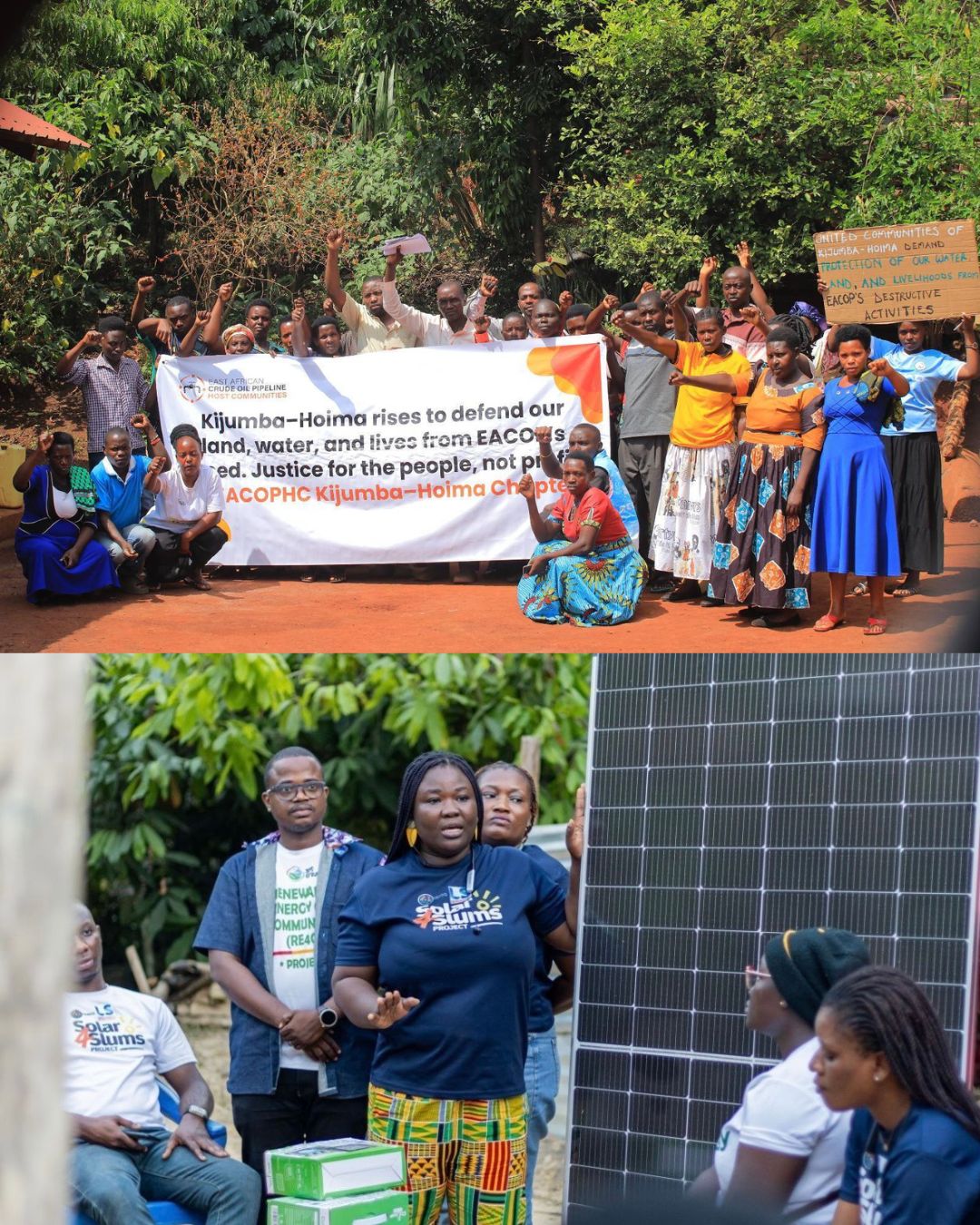 Locals in Uganda defend their lands and lives against EACOP (above) Photo: 350 Africa. 350 Ghana helps set up solar panels in Jonahkrom, Ghana (below). Photo: 350 Ghana Locals in Uganda defend their lands and lives against EACOP (above) Photo: 350 Africa. 350 Ghana helps set up solar panels in Jonahkrom, Ghana (below). Photo: 350 Ghana
|
| 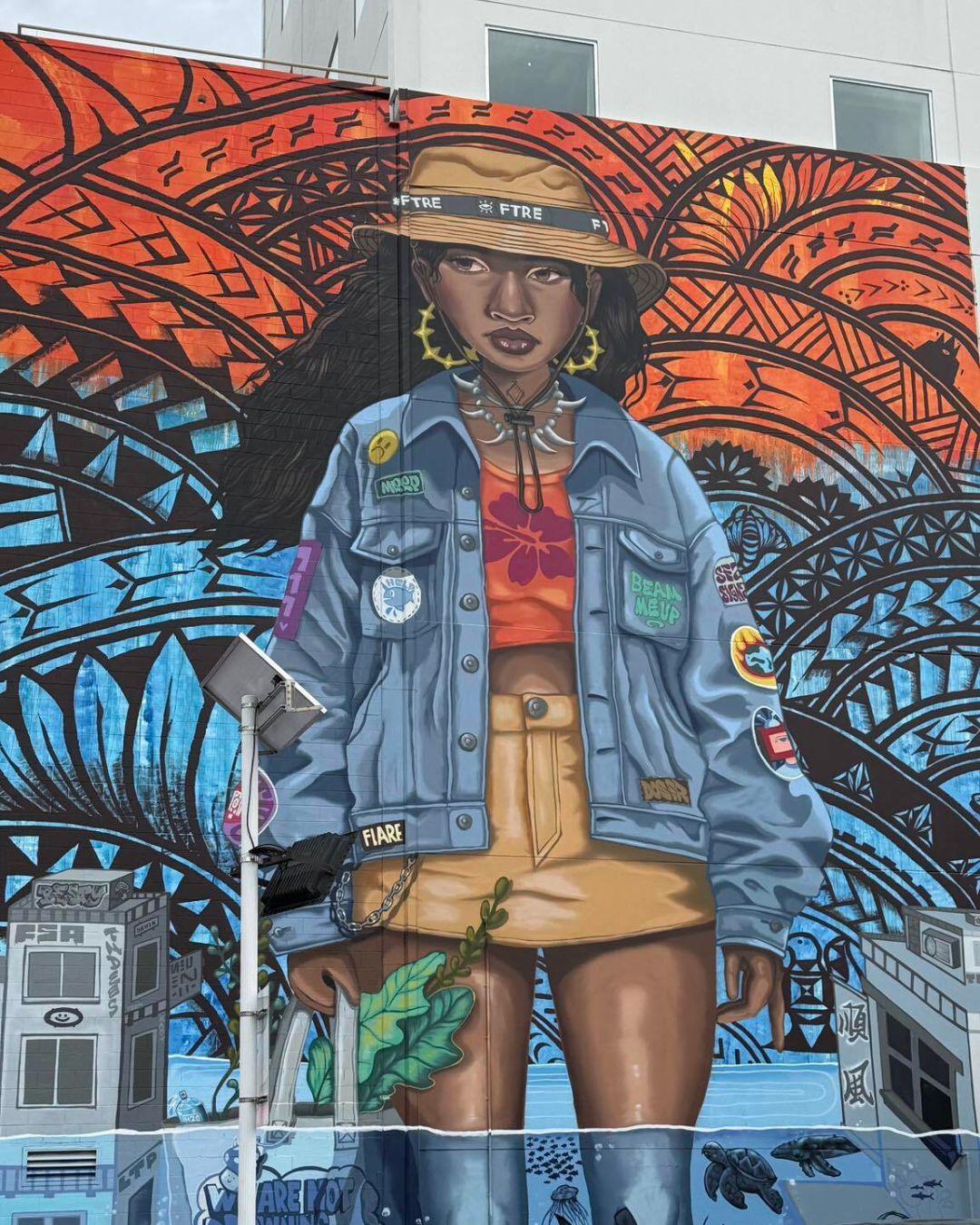 Street artists Meep and Monti Masiu paint a mural in Christchurch, New Zealand, carrying the Pacific Climate Warrior message: "We are not drowning, we are fighting." Photo: 350 Aotearoa Street artists Meep and Monti Masiu paint a mural in Christchurch, New Zealand, carrying the Pacific Climate Warrior message: "We are not drowning, we are fighting." Photo: 350 Aotearoa
| | Solidarity in times of disaster As climate disasters intensify, we're standing with communities across the Caribbean, Pacific, and Asia. Months after Hurricane Melissa in Jamaica, our Caribbean Climate Network is supporting grassroots relief led by Plakortis, helping families still in need of shelter, food, and school supplies. During Australia's extreme January heatwave, we amplified frontline voices calling for protection and action. During heavy flooding in Sumatra, Indonesia, our petition backed by 5,000 people demanding polluters pay helped push the government to revoke permits for 28 extractive companies and sue 6 more. |
Climate Jargon Unpack the terms & concepts being used by climate activists & experts Fossil Fuel Phase-Out Roadmap A Fossil Fuel Phase-Out (FFPO) Roadmap is a plan for how and when countries will stop producing and using coal, oil, and gas, in line with climate science – while rapidly scaling up clean, affordable, renewable energy. You're going to hear this phrase a lot in 2026. And that's a good thing. At COP30 in Belém, Brazil, last November, 80+ countries backed building this kind of roadmap under the name Transition Away From Fossil Fuels (TAFF), a shared pathway to wind down fossil fuels in a fair and orderly way. Translation: governments finally admitted that vague promises aren't enough anymore. While the TAFF didn't make it into the final COP commitment text due to fierce opposition from a few countries, signs of follow-through are showing up. As you read above, Brazil is already developing its own national phase-out roadmap. And Colombia is co-hosting the world's first international conference on moving away from fossil fuels this April in Santa Marta (where you'll see us too!) to create a global, concrete, and actionable roadmap. Bottom line: There's no credible climate plan without phasing out fossil fuels. FFPO Roadmaps are how "end fossil fuels" becomes real, but they must be done in a way so as not to replicate harms of the past and to bring real benefits to local, frontline and Indigenous communities.
Community Spotlight Be inspired by stories & interviews of real people who are fighting for a just energy transition A Voice from the Frontlines: Aselu Vaguna O'Brien 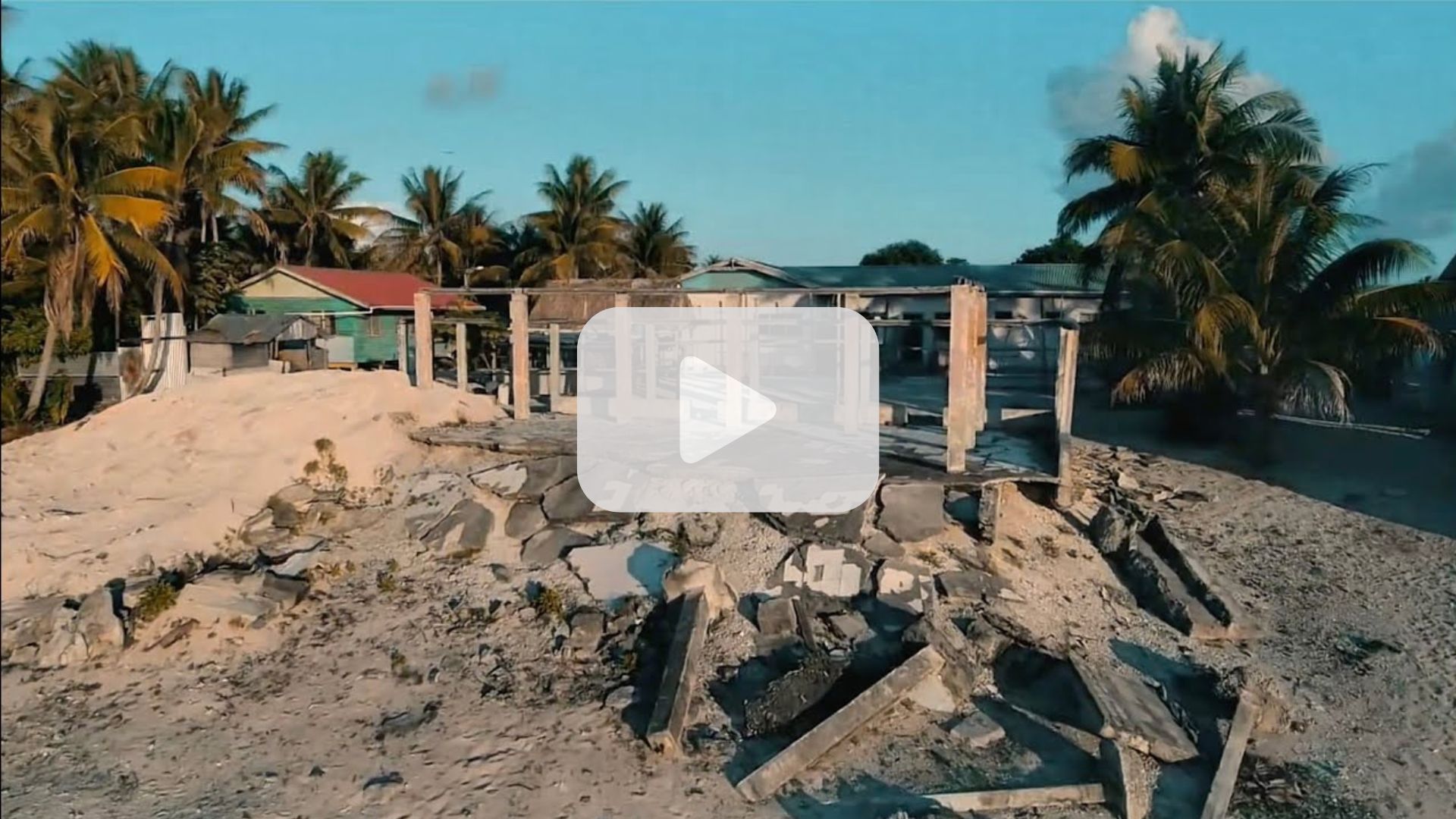 Across the Pacific, rising seas, stronger storms, and longer droughts are already harming homes, food, and cultures – even though these islands did almost nothing to cause the climate crisis. In Tuvalu, a small Pacific Island nation, these impacts are part of daily life, and support to recover is far from enough. Young leader Aselu Vaguna O'Brien, from Nanumaga, a small outer island in Tuvalu, shares what the climate crisis looks like at home. When Cyclone Tino hit, it destroyed the youth hall – a place for learning, dancing, and community. At global summits, Aselu reminds leaders that 1.5°C is not just a number. It is the line between survival and disappearance. "Tuvalu is drawing the line," he says. "Will the world stand with us?". See more frontline stories from Palau, Republic of Marshall Islands, Papua New Guinea, Canberra/PNG, and Melbourne.
Renewable Rundown Get informed on big numbers, key facts and important news 3 (and more) reasons why fossil fuels are on their way out Don't yet believe us that this is the year to end fossil fuels? Well, here is some further proof: - Clean energy is now getting more money than fossil fuels: The International Energy Agency says around $2.2 trillion went to clean energy in 2025, double of what went into oil, gas, and coal.
- Investors are turning toward clean energy: Most big investors are planning to increase investing in renewables because fossil-heavy assets are not the smart economic choice anymore.
- Courts are starting to hold polluters accountable: Around the world, judges are ruling that governments and companies have a legal duty to protect people from climate harm, including the landmark opinion by the International Court of Justice in 2025 confirming governments' climate obligations.
Continue reading here for more reasons why the future will be fossil free.
Your Power Support us in demanding real climate action There is no credible climate strategy that doesn't start with ending fossil fuels. Over 80 countries are already moving to phase out coal, oil, and gas but many, including Canada, Japan, Indonesia, South Africa, and Türkiye are still hesitating. 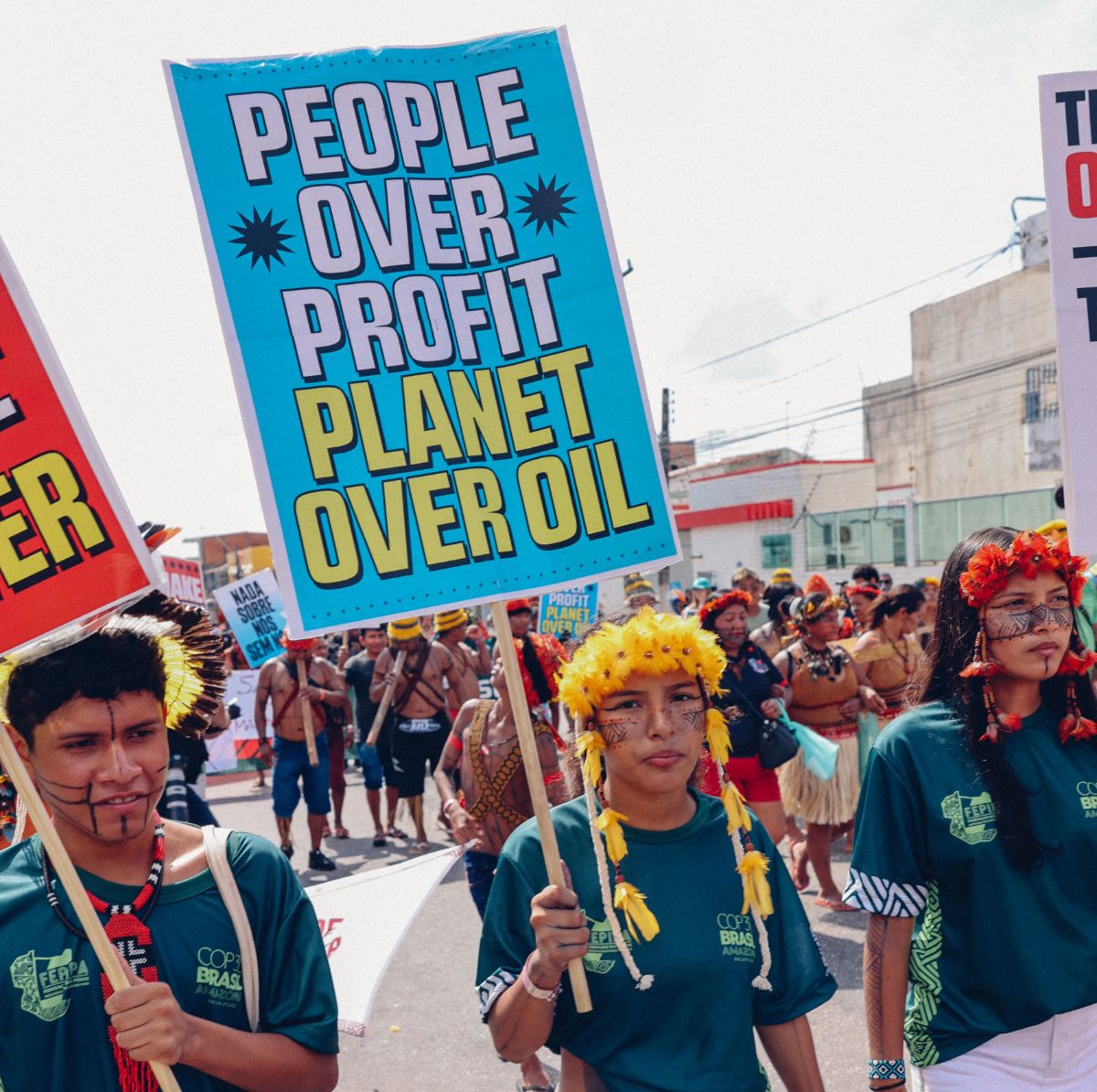 Indigenous Peoples march to demand phase out of fossil fuels at COP30 in Belem, Brazil, November 2025. Photo: Hugo Duchesne Indigenous Peoples march to demand phase out of fossil fuels at COP30 in Belem, Brazil, November 2025. Photo: Hugo Duchesne
Sign the petition to push more governments to step up and commit to ending fossil fuels forever.
Energize Build your skills to tackle the climate crisis and widen our movement Change is brought on ideas, stories, and imagination. If you're looking to go deeper on climate justice this month, whether on your commute, at the gym, or curled up with a book — here are some powerful reads and listens from organizers, thinkers, and storytellers helping shape the future we're fighting for. 📚 Books to read: - We Will Be Jaguars - Nemonte Nenquimo (with Mitch Anderson): An Indigenous-led call to defend land, culture, and life itself – fierce, intimate, and impossible to ignore.
- The Next Great Migration - Sonia Shah: A radical reframe of migration as natural, necessary, and essential for survival in a warming world.
🎧 Podcasts worth your time: - Drilled - hosted by a team of climate journalists, its investigative storytelling exposes how the fossil fuel industry knowingly fueled the climate crisis — and how they're still trying to delay action today.
- The Nature of Us - Big-picture conversations on climate, culture, and what it really means to live well on a changing planet.
 |



No comments:
Post a Comment
Note: Only a member of this blog may post a comment.